

Carriage Bolt Guide: Structure, Applications, and Practical Selection Tips
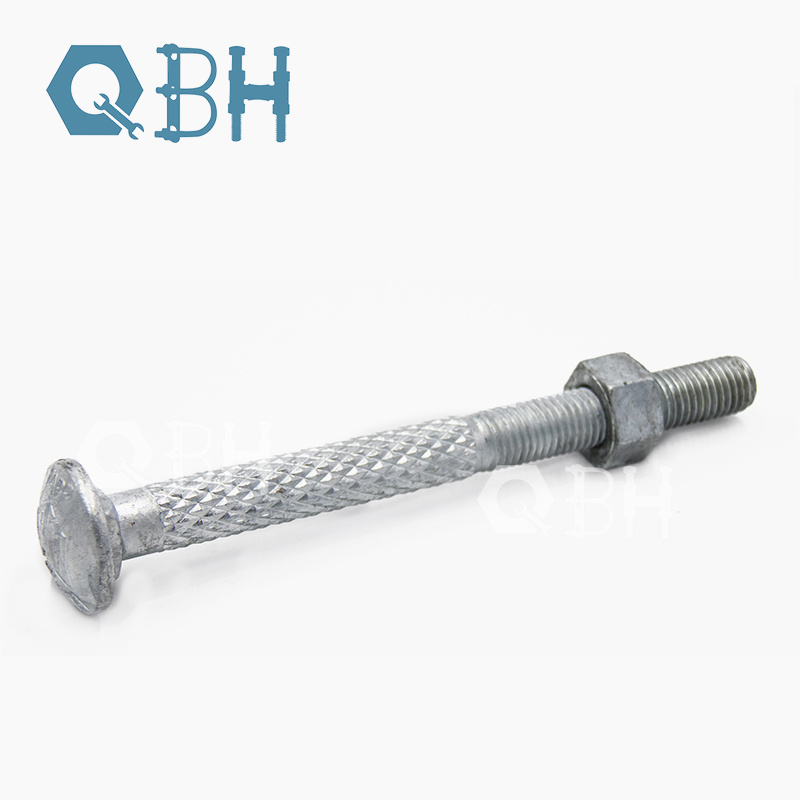
A Carriage Bolt is a widely used fastener designed for applications where a secure connection and clean appearance are both important. Also known as a round head square neck bolt, it features a smooth dome-shaped head and a square section beneath the head that helps prevent the bolt from turning during installation.
What Is a Carriage Bolt?
A Carriage Bolt is a type of bolt with a rounded head and a square neck directly underneath. Unlike standard hex bolts, it does not have a tool grip on the head. Instead, the square neck locks into the material surface, preventing rotation while the nut is tightened.
The main components include:
| Component | Function |
|---|---|
| Dome Head | Provides a smooth external surface and reduces sharp edges |
| Square Neck | Prevents the bolt from spinning during tightening |
| Threaded Shaft | Connects with the nut to create a secure joint |
| Nut | Applies clamping force to hold materials together |
This design makes Carriage Bolts especially useful in situations where access to the bolt head is limited.
How Does a Carriage Bolt Work?
A common question about Carriage Bolts is why they have a round head without a wrench slot.
The answer lies in the square neck design.
During installation:
- The bolt is inserted through a prepared hole.
- The square neck fits into the surrounding material.
- The square section creates resistance against rotation.
- Tightening the nut secures the connection without needing to hold the bolt head.
This self-locking feature makes Carriage Bolts convenient for one-sided installation in many applications.
Common Applications of Carriage Bolts
1. Woodworking and Timber Connections
Carriage Bolts are widely used in wood-based projects because their smooth head provides a neat appearance.
Typical applications include:
The rounded head also helps reduce exposed sharp edges, making them suitable for public and household structures.
2. Outdoor Structures
Carriage Bolts are frequently found in outdoor products such as:
For outdoor environments, corrosion-resistant materials such as stainless steel or galvanized steel are often selected.
3. Furniture Assembly
Furniture manufacturers often use Carriage Bolts because they combine strength with a clean visual appearance.
Common benefits include:
4. Light Industrial and Metal Applications
Although mainly associated with woodworking, Carriage Bolts can also be used for certain metal structures, including:
The correct size and material should be selected according to the application requirements.
Common Materials of Carriage Bolts
The material of a Carriage Bolt affects its strength, durability, and corrosion resistance.
| Material | Characteristics |
|---|---|
| Carbon Steel | Cost-effective and suitable for general applications |
| Zinc-Plated Steel | Provides improved corrosion resistance for indoor and moderate environments |
| Stainless Steel | Offers better corrosion resistance for outdoor and humid conditions |
| Alloy Steel | Provides higher strength for demanding applications |
For outdoor furniture and environments exposed to moisture, stainless steel Carriage Bolts are often preferred.
How to Choose the Right Carriage Bolt?
1. Check Bolt Size
Important dimensions include:
The bolt length should match the thickness of the materials being connected. A bolt that is too short may not provide enough engagement, while an excessively long bolt may affect appearance or installation.
2. Select the Proper Material
The working environment plays an important role in material selection.
| Application Environment | Recommended Material |
|---|---|
| Indoor furniture | Carbon steel or zinc-plated steel |
| General outdoor use | Galvanized steel or stainless steel |
| Humid environments | Stainless steel |
| Higher load requirements | Alloy steel |
3. Confirm Thread Standards
Carriage Bolts are available in different thread standards, including:
Always ensure the nut matches the bolt thread specification.
Carriage Bolt vs Standard Hex Bolt
| Feature | Carriage Bolt | Hex Bolt |
|---|---|---|
| Head Design | Round dome head | Hexagonal head |
| Anti-Rotation Method | Square neck locking | Requires tool holding the bolt head |
| Appearance | Smooth and decorative | More industrial |
| Common Uses | Wood, furniture, outdoor structures | Machinery and engineering applications |
| Installation | Tightened from the nut side | Usually requires access to both sides |
The main advantage of a Carriage Bolt is its ability to provide a clean appearance while preventing rotation.
Practical Tips for Using Carriage Bolts
1. Prepare the Correct Hole Size
The hole should match the bolt diameter and square neck dimensions. If the hole is too large, the square neck may not lock properly.
2. Avoid Over-Tightening
Excessive tightening may cause:
A proper tightening force helps maintain a stable connection.
3. Consider Corrosion Protection
For outdoor applications, choose corrosion-resistant materials and inspect connections regularly to maintain performance.
Frequently Asked Questions About Carriage Bolts
Why is it called a Carriage Bolt?
The name comes from its historical use in carriage construction, where it was commonly used to connect wooden components.
Can Carriage Bolts be used in metal?
Yes. While they are most commonly used in wood applications, they can also be used in suitable metal structures with proper sizing and installation.
Do Carriage Bolts require washers?
Washers are often recommended because they help distribute pressure and protect the connected material.
Can Carriage Bolts be reused?
They may be reused if the bolt, threads, and square neck remain in good condition without damage or deformation.