

Article Summary: Shear studs are critical components in composite construction, enhancing load transfer and structural integrity. This article explains the types, specifications, installation methods, and benefits of shear studs, helping engineers, builders, and procurement specialists optimize their projects.
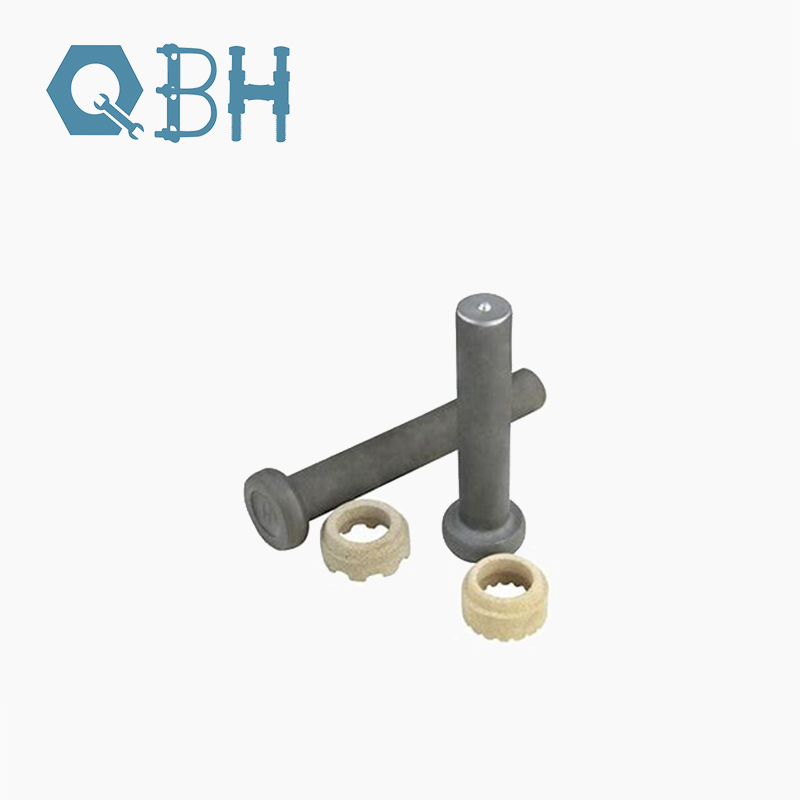
Table of Contents
- Introduction to Shear Studs
- Key Specifications and Types
- Installation Techniques and Best Practices
- Frequently Asked Questions
- Structural Benefits of Shear Studs
- Conclusion and Contact
Introduction to Shear Studs
Shear studs are steel fasteners used primarily in composite construction to connect steel beams with concrete slabs. They transfer horizontal shear forces efficiently between the steel and concrete, enhancing overall structural performance.
Engineers rely on shear studs to prevent slippage, improve load distribution, and ensure long-term stability in bridges, commercial buildings, and industrial structures. In this article, we examine shear studs from a technical and practical perspective, providing insight for construction professionals.
Key Specifications and Types
| Specification | Description |
|---|---|
| Material | High-strength carbon steel or alloy steel |
| Diameter | Typically 16mm, 19mm, 22mm depending on project load requirements |
| Length | Varies from 75mm to 150mm based on slab thickness |
| Type | Weldable shear studs, headed studs |
| Surface Treatment | Galvanized or uncoated for fire resistance and corrosion protection |
| Compliance | Meets ISO, ASTM, and CE standards |
| Manufacturer | QBH |
Installation Techniques and Best Practices
Shear studs are generally installed using arc welding to the steel beams before the concrete is poured. Key steps include:
- Surface Preparation: Ensure steel surfaces are clean and free of rust or paint.
- Stud Placement: Position studs according to design drawings and spacing requirements.
- Welding: Use automatic or semi-automatic stud welding equipment for consistency.
- Quality Inspection: Check for proper welding penetration, alignment, and height above the beam.
Proper installation ensures effective load transfer and avoids potential structural failures.
Frequently Asked Questions
What is the main purpose of a shear stud?
Shear studs provide a mechanical connection between steel beams and concrete slabs, ensuring efficient shear transfer and preventing slippage.
Are shear studs suitable for all types of composite structures?
Shear studs are ideal for many composite structures, including bridges, multi-story buildings, and industrial floors, provided the design specifications are met.
How do I select the correct shear stud for my project?
Selection depends on load requirements, beam size, slab thickness, and compliance standards. Consultation with structural engineers is recommended for safety and performance.
Can shear studs be used in corrosive environments?
Yes, galvanized or coated shear studs provide protection against corrosion, ensuring longevity in harsh environmental conditions.
Structural Benefits of Shear Studs
Shear studs improve structural integrity by transferring horizontal forces between steel and concrete. Key benefits include:
- Enhanced load distribution and resistance to bending or cracking
- Improved composite action between steel and concrete
- Reduced maintenance and increased structural lifespan
- Support for heavier loads and multi-story construction
By integrating shear studs, engineers can design more efficient and resilient structures.
Conclusion and Contact
Shear studs are a vital element in modern composite construction, providing safety, load efficiency, and durability. For projects demanding precise engineering and reliability, choosing the right shear stud is essential.
QBH offers a comprehensive range of shear studs, meeting international standards and ensuring superior performance in demanding applications. For more information or to place an order, contact us today and get professional support for your construction needs.